



Villa Floridiana and the Duca di Martina Museum
A green oasis in the heart of Vomero, with a royal love story, a ceramics museum and a breathtaking view over the Gulf of Naples, from Vesuvius to Posillipo, with Capri in the middle. Entry to the park is free.
If you are walking around the Vomero neighbourhood and need a break from the bustling city, do as locals do and head straight to Villa Floridiana.
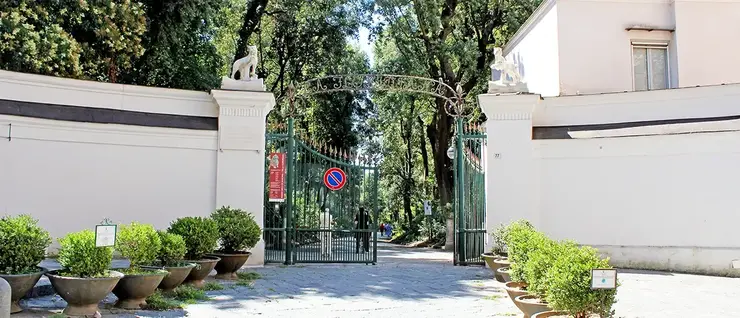
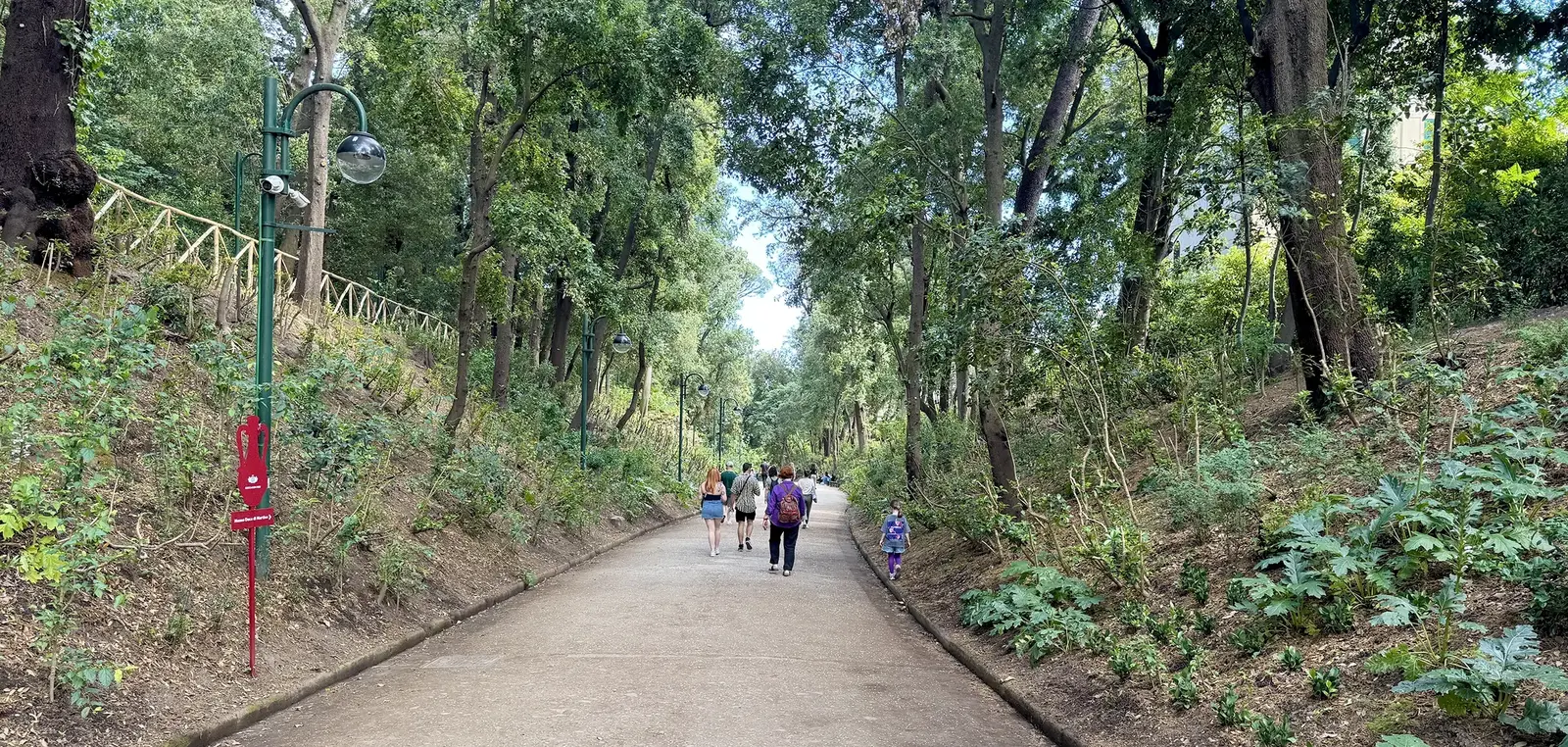
La Floridiana is a historic park designed in the style of an English landscape garden, and today it is a favourite green space for Neapolitans, together with the Royal Park of Capodimonte. Covering more than 60,000 square metres on the Vomero hill, it is first and foremost a peaceful urban oasis, with breathtaking views that are well worth the visit.
The estate was once part of the network of Bourbon royal residences in Campania. Follow the main tree-lined avenue and you will reach the elegant white neoclassical villa. It is no longer a private residence: since 1927 it has housed a Museum of Ceramics, displaying the remarkable collection assembled by the Duke of Martina, a passionate collector who bought porcelain and decorative arts from all over the world.
Please note: entry to the park is free, while the museum requires a ticket.
The real highlight, however, is at the lower end of the park: a belvedere with a spectacular view over the Gulf of Naples, perfect for Instagram-worthy shots! With its shaded paths and wide, breezy lawns, La Floridiana is ideal for a relaxing walk, a jog or a quiet picnic.
A royal love story (with a dash of court drama and kangaroos)
The park's name comes from a fascinating (and slightly scandalous) 19th-century love story. It is called Floridiana because it was the private summer retreat of Lucia Migliaccio, Duchess of Floridia.
In 1814 King Ferdinand of Bourbon, then 63 and about to return to the throne of Naples after years of exile in Sicily, married Lucia Migliaccio, a 44-year-old Sicilian noblewoman. Legend has it that her beauty was so striking that even Goethe wrote about her "deep black eyes". As a widow of lower rank, Lucia entered a so-called "morganatic marriage": she could never become queen and had none of the privileges that came with royal status. As you might expect, the royal family deeply resented the union, especially the heir to the throne, Francesco.
To give his wife a secluded retreat away from the Palazzo Reale, the formal seat of the Bourbon court in Naples, Ferdinand bought this estate. Between 1817 and 1819 he commissioned the architect Antonio Niccolini (also known for his work on the Teatro di San Carlo, as architect and set designer) to turn the existing house into the villa we see today. The park was designed by Friedrich Dehnhardt, director of the Orto Botanico di Napoli, who created a romantic landscape with around 150 plant species, including a celebrated collection of camellias.
It is no coincidence that camellias, said to be among Lucia's favourite flowers, became a defining feature of the park. Some of Floridiana's camellias have been blooming here for over two centuries!
To expand the garden, Ferdinand also bought a neighbouring property and built a residence there, known as Villa Lucia in honour of his wife. A bridge once connected it to La Floridiana, but today it is privately owned. When Ferdinand died in 1825, a heartbroken Lucia was quickly sidelined by the new King, Francesco I. She spent her last months isolated in her palace in Chiaia (Palazzo Partanna, in Piazza dei Martiri) and died the following year. Not exactly a happy ending.
Lucia was laid to rest in the Chiesa di San Ferdinando (in Piazza Trieste e Trento), where her tomb in the left transept is marked by a marble monument by Tito Angelini.
The Duca di Martina Museum: a treasure trove of decorative arts
After the deaths of the royal couple and a series of changes in ownership, the estate was bought by the Italian State in 1919 and chosen to showcase the collection assembled by the Duke of Martina. After the Unification of Italy in 1861, the Duke (whose real name was Placido de Sangro) moved to Paris, where he got to know the leading European antique dealers and collectors of the time and began collecting decorative masterpieces from around the world. This makes the museum a must-see for anyone interested in European ceramics and porcelain.

The collection passed to the Duke's son and later, in 1891, to his grandson, the Count of Marsi. But it was the Count's wife, Maria Spinelli di Scalea, who officially donated the entire collection to the City of Naples. Today you can admire over 6,000 precious objects, displayed right alongside the private apartments once used by the Duchess of Floridia and her entourage.
The exhibition brings together exceptional works of applied art from both Eastern and European traditions, spread across three floors.
The ground floor displays an extraordinary variety of rare and precious objects in ivory, enamel, tortoiseshell, coral and bronze, as well as medieval and Renaissance plaquettes. You will also find Renaissance and Baroque majolica, fine glass and crystal from the 15th to the 18th centuries, and a rich selection of period furniture, caskets and decorative furnishings.
The first floor is entirely dedicated to the golden age of European and Italian porcelain. It highlights the great 18th-century manufactories that set the taste of the courts of the time, such as Meissen, Doccia, Naples and Capodimonte, alongside important French, German and English pieces. Here the grand ballroom survives in all its original splendour. Don't forget to look up at the spectacular ceiling, decorated with a large painted canvas by Giuseppe Cammarano.
The basement level houses the Oriental art section, with Chinese porcelain from the Ming (1368–1644) and Qing (1644–1911) dynasties and highly refined Japanese pieces in the traditional Kakiemon and Imari styles.
Turtles, love locks and the stunning Gulf view
Walk towards the central fountain, known locally as the Fountain of the Lovers. Its sculpture shows the gods of married love, Eros and Hymen, a symbolic nod to Ferdinand and Lucia themselves. From the fountain, a staircase leads down to a round pond where, alongside the goldfish, you will spot a colony of turtles sunbathing on the rocks: they are the park's unofficial mascot!
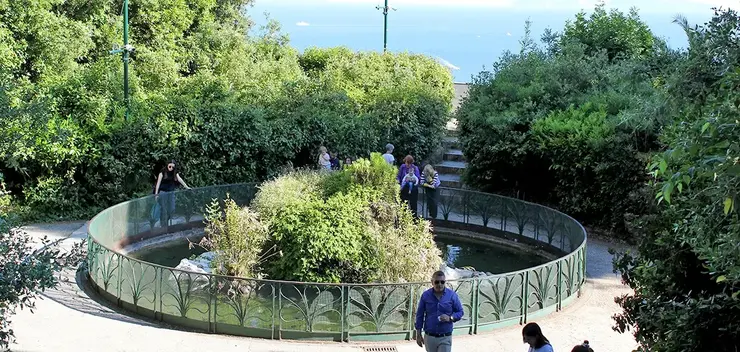
But the real magic lies just behind the villa. Step out onto the grand stone terrace and the whole Gulf of Naples opens up in front of you. The view stretches across the deep blue sea, with Mount Vesuvius on one side and the island of Capri on the horizon. It is, without doubt, one of the great viewpoints of the city.
A particularly atmospheric spot is the Teatro della Verzura, a semi-elliptical open-air theatre framed by trees, with double rows of piperno stone seats. On summer evenings it hosts performances and readings, and if you're lucky enough to catch one, the setting is truly magical. The theatre was part of Antonio Niccolini's wider landscape design, which also included the Ionic-style temple, another landmark not to be missed in the park.
What's new in 2026
Visiting the park in 2026 is a real pleasure, thanks to the extensive restoration carried out over the last two years. Work is still ongoing in some areas, where new plants are being added. The paths have now fully reopened, revealing the results of a major green makeover. Walking along the avenues, you will find lush vegetation, now with around 1,300 trees, as well as native Mediterranean plants such as myrtle, acanthus, butcher's broom, hawthorn, holm oak and laurel.
New benches now line the main avenues on the side slopes, making the park an even better place to sit with a good book or simply switch off from the chaotic rhythm of Neapolitan life.
There is no dedicated picnic area, but you are welcome to sit on the lawns. The park is also dog-friendly, as long as dogs are kept on a leash, since a protected colony of around 70 cats lives in the grounds.
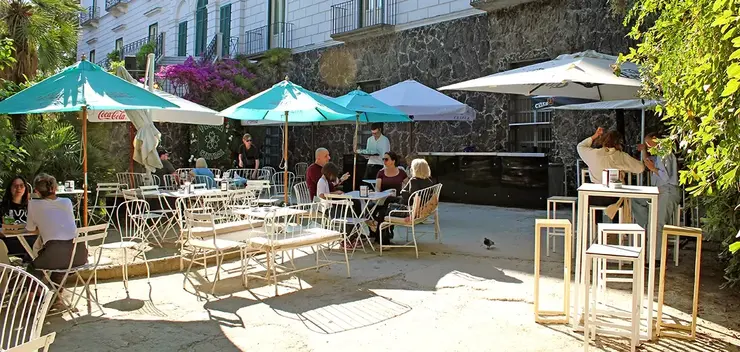
The park is also good for fitness, yoga or light exercise. There is a small children's playground with swings and slides, so it works well for families too, and more play equipment is expected to be added. Near the belvedere there is also a café, a pleasant spot for a coffee or a traditional Italian aperitivo.
A few final things to keep in mind. There are two drinking fountains in the park, which come in very handy. Wi-Fi is being considered but, with works still ongoing, check on site if you need it. Public toilets are currently available only inside the museum. Signage could also be better and the routes are not always clear, so we recommend using Google Maps so you don't miss the key spots.
Ideally, combine your visit with Castel Sant'Elmo (home to the Museo del Novecento) and the Certosa di San Martino. Start with the castle and the Certosa for the 360-degree views over the city, then wind down in the shade of the Floridiana. Enjoy the peace, and ciao for now!
Curated by
Sabrina
Cultural Journalist

Sabrina is a cultural journalist and communications specialist based in Naples. With a background in comparative literature and theatre criticism, she has over ten years of experience writing about art, design and culture and working with cultural institutions across Campania. Driven by curiosity, she loves uncovering the hidden places, stories and people that shape Naples’ identity. That’s why she is a regular contributor to Ciao Napoli.
Related places
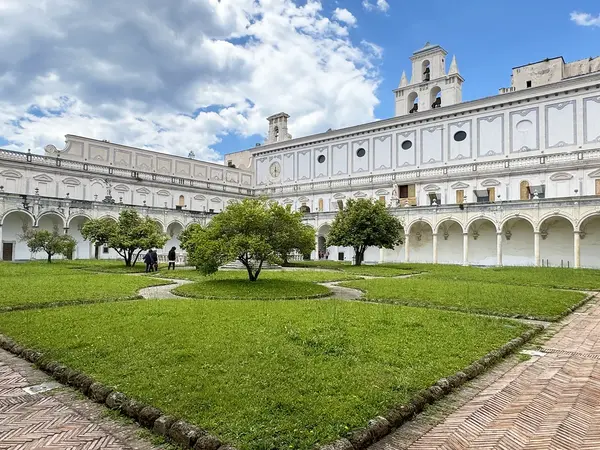
Certosa di San Martino
Baroque church, a cloister of marble skulls, Michele Cuciniello's 800-figure nativity and a belvedere over the whole city. The Certosa and Museo di San Martino is the Vomero's real treasure.
 inside
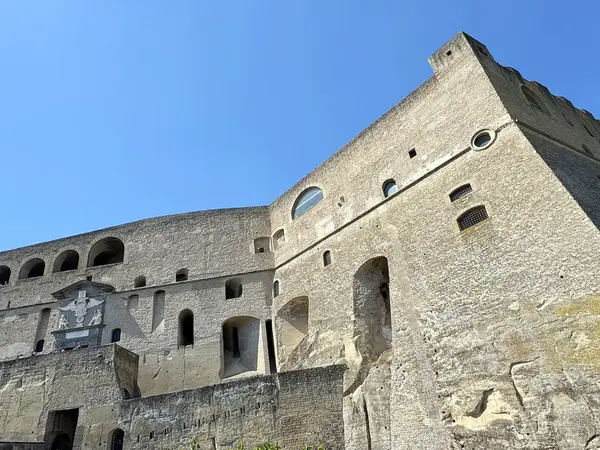
Castel Sant'Elmo
The star-shaped fortress crowning the Vomero hill. Come for the 360° view over the gulf and the historic centre, stay for the ramparts, the history and the Novecento art museum.
inside

Osteria Donna Teresa
A century-old trattoria in Vomero where the menu is told at the table and lunch tastes like Sunday at a Neapolitan grandma’s.
inside