



Posillipo, the Naples hill that takes your breath away
It is Naples' most beautiful promontory, where the ancient Romans came to forget their troubles, and where Neapolitans still come to remind themselves why they live here.
(Read more)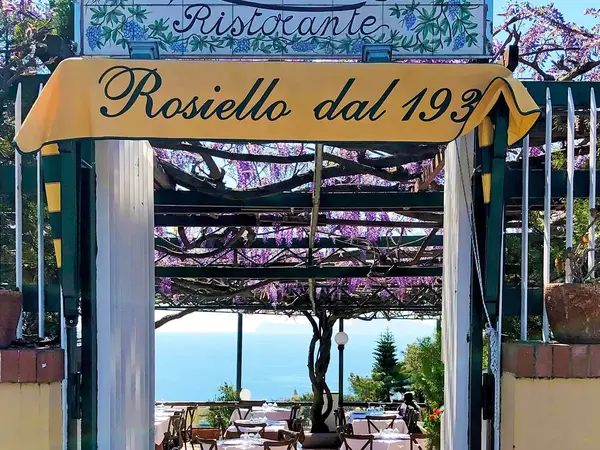


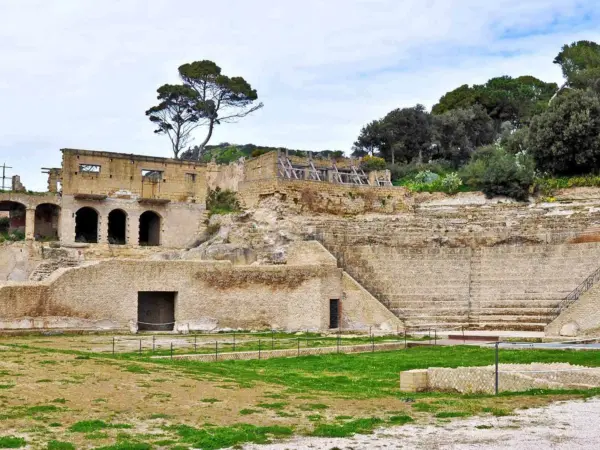
Pausilypon Archaeological Park
Enter through a Roman tunnel and emerge into the ruins of one of the ancient world's most spectacular private villas, set high above the sea on the Posillipo promontory with views down to the Gaiola islands.
 inside
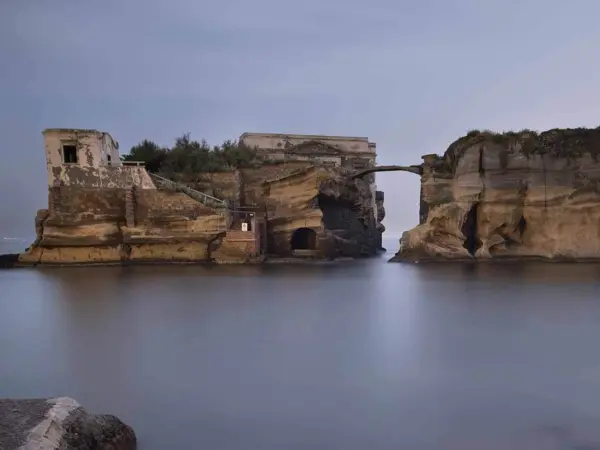
Gaiola Underwater Park
The Gaiola Underwater Park protects one of Naples' most extraordinary secrets: the submerged remains of a 1st-century Roman villa, sunk by centuries of volcanic activity.
inside
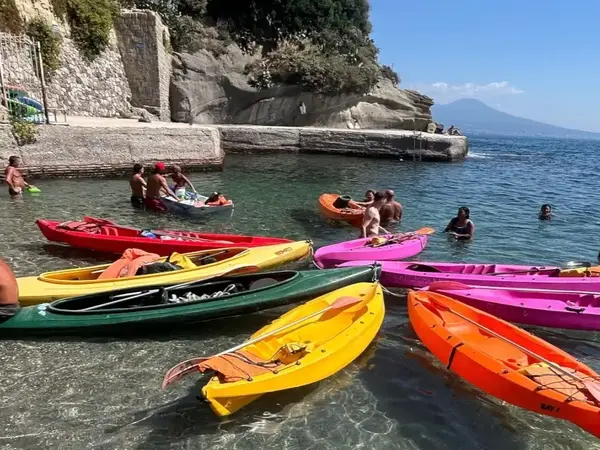
Kayak Napoli
Guided kayak tours and rentals along the Posillipo coast. That's Naples as you've never seen it.
Posillipo takes its name from the Greek Pausilypon which means "relief from pain" or "that which stops suffering." The Romans named it that way two thousand years ago for the views alone, and nothing has changed. Located on a dramatic promontory that sticks out into the Gulf of Naples, the neighbourhood is one of the city's most exclusive addresses: a succession of villas, often immersed in greenery, some with gardens and sea-facing terraces stretching from Mergellina up to Capo Posillipo. And if you want to see it at its best, get on the water. Even a rented kayak will do the job.
Over two thousand years of history
The promontory was already inhabited in Greek times, but it was the Roman knight Publius Vedius Pollio who defined it, building a vast seaside villa whose name eventually gave the whole area its identity. That villa, known as Pausilypon, still survives remarkably intact within the Posillipo Archaeological Park that has been created around it. There, you can walk among the remains of its theatre, reception halls, and harbour.
Over time, volcanic activity gradually submerged the lower sections, creating what is now the Gaiola Underwater Park, where the fish ponds and nymphaea of ancient Rome lie just a few metres below the surface.
Getting around and what to see
Via Posillipo traces the coastline from Mergellina to the cape, passing some of the neighbourhood’s most notable buildings, including the haunting, half-finished Palazzo Donn’Anna, rising directly from the water.
Higher up, Via Francesco Petrarca (once simply called “via Panoramica”) offers wide views over the gulf and the Vesuvius, views so striking that they can literally cause traffic jams, one of the reasons the city eventually created panoramic stopping points along the road.
At the far end lies Marechiaro, a fishing hamlet that has somehow survived intact: a series of steps, arches, and boats, where the city suddenly feels far away.