



Explore Naples, properly
Naples has been continuously inhabited for over 2,500 years. You can feel it in the streets, the underground, the food, and the way people carry themselves. This is where to start making sense of it all.
(Read more)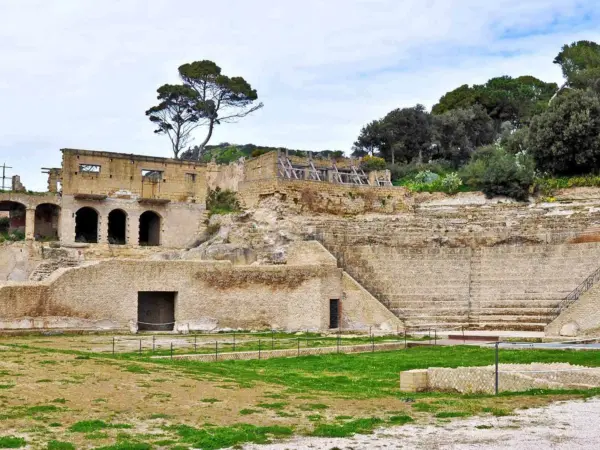
Pausilypon Archaeological Park
Enter through a Roman tunnel and emerge into the ruins of one of the ancient world's most spectacular private villas, set high above the sea on the Posillipo promontory with views down to the Gaiola islands.
 inside
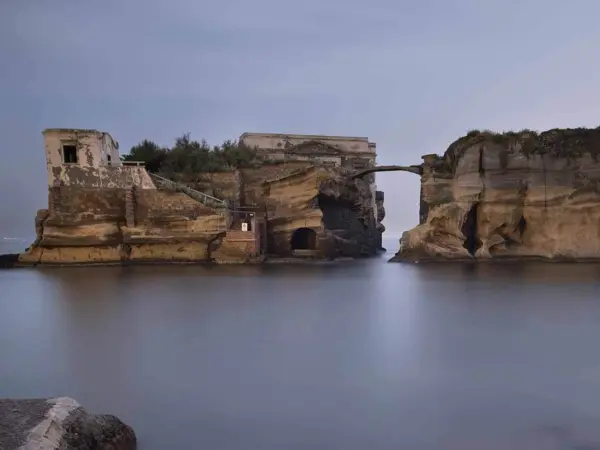
Gaiola Underwater Park
The Gaiola Underwater Park protects one of Naples' most extraordinary secrets: the submerged remains of a 1st-century Roman villa, sunk by centuries of volcanic activity.
inside
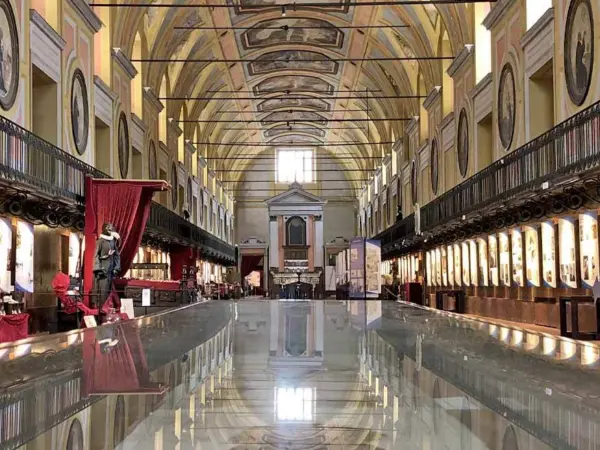
Museo delle Arti Sanitarie
A hospital open since 1522, a world-unique anatomical mannequin, and 12,000 medical artefacts on Via dei Tribunali. One of Naples' most extraordinary hidden museums.
inside
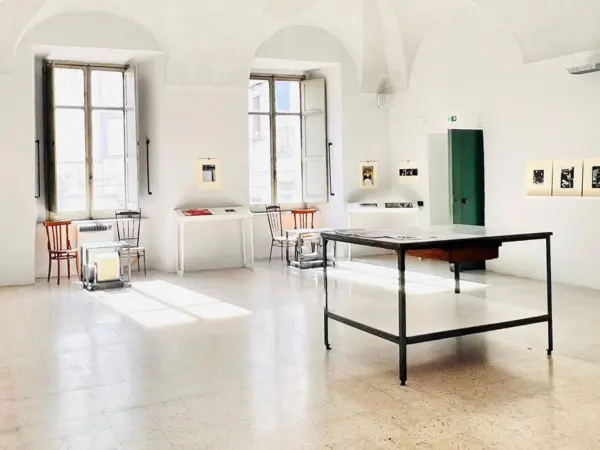

Magazzini Fotografici
An independent photography gallery in the historic centre of Naples, Magazzini Fotografici connects the city to the international visual culture scene through exhibitions, research projects and educational initiatives dedicated to contemporary photography.
What you'll find in this section
Explore is organised around the things that make Naples worth understanding: its historic sites, its archaeological heritage, its museums, its churches, and much more. Some entries are major landmarks. Others are places that rarely make it into guidebooks but that any Neapolitan worth their salt would send you to. Either way, the idea is the same: give you enough context to appreciate what you're actually looking at, not just tick it off a list.
The city that never starts from zero
Few cities in the world have been as relentlessly built upon as Naples. Greek colonists founded Neapolis in the 6th century BC on top of an even older settlement. The Romans came next, then Byzantines, Normans, the Aragonese, the Spanish. Every layer left something behind, and almost nothing was ever entirely swept away. What looks like a Baroque church may have a Greek wall in its foundations. What looks like a city square was once a Roman marketplace. Exploring Naples means learning to read time vertically.
Where to explore
The historic centre — a UNESCO World Heritage site and one of the densest concentrations of monuments in Europe — is the obvious starting point, but not the only one. Posillipo offers a completely different Naples: aristocratic villas, dramatic sea views, and Roman ruins both above ground and submerged. Chiaia runs along the waterfront with an elegance that surprises first-time visitors. Spaccanapoli cuts the old city in a straight line, as it has done since the Greeks laid it out. Each neighbourhood has its own character and its own story to tell.